


Living in humid areas means battling pests like mosquitoes, ants, cockroaches, and termites. Warmth and moisture create ideal conditions for infestations, but you can take control with DIY methods that save money, are safe for families, and tackle the root causes of pest problems.
Key Steps:
- Control Moisture: Fix leaks, remove standing water, and improve ventilation to reduce breeding grounds.
- Seal Entry Points: Use caulk, weatherstripping, and screens to block pests from entering your home.
- DIY Treatments: Apply natural solutions like diatomaceous earth, garlic sprays, or traps for targeted pest control.
- Monitor and Maintain: Regularly check for signs of pests and adjust your approach as needed.
Quick Tip:
For a ready-to-use solution, consider DIY pest control kits like Remedy. Starting under $30, they include everything you need to protect your home effectively, even in humid conditions.
These methods, when combined, can reduce pest populations by over 60% and keep your home pest-free year-round.
4 Easy Steps To Do Your Own Pest Control At Home | How I Do My Own Pest Control
How Humidity Affects Pest Problems
Humidity sets the stage for pests to thrive, grow, and multiply at an alarming rate, often leading to infestations that are tough to control.
Excess moisture offers pests the ideal environment to reproduce. It also promotes mold growth, which attracts mold-eating insects and provides additional food sources for other pests. Let’s take a closer look at which pests are most affected and how moisture worsens their impact.
Pests That Thrive in Humid Conditions
Certain household pests are especially drawn to moisture-rich environments:
-
Mosquitoes
Mosquitoes require standing water to lay their eggs, and humid conditions make this water more abundant. The EPA notes that mosquitoes can breed in as little as half an inch of water. Small sources like clogged gutters or water in plant saucers can lead to significant mosquito populations. -
Cockroaches
Persistent moisture issues can cause cockroach populations to spike by as much as 60% in affected homes. These pests often inhabit basements, bathrooms, and kitchens where leaks or poor ventilation create the perfect environment. -
Ants
Ants become more active in humid weather as they search for food and water. This behavior is particularly noticeable during muggy summer months or after heavy rainfall. -
Termites
Termites are drawn to damp wood, making humid climates a magnet for infestations. Homes in the southeastern United States experience termite issues 2–3 times more often when high humidity or water leaks are involved. -
Mold-Eating Insects
Insects like booklice and certain beetles thrive in moldy environments. Since humidity accelerates mold growth, these pests can quickly multiply, creating a ripple effect that leads to additional infestations.
How Moisture Magnifies Pest Problems
Moisture doesn’t just help pests survive - it supercharges their reproduction. High humidity prevents pests from drying out, allowing them to live longer and breed more frequently.
Even small amounts of standing water - caused by rain, leaks, or poor drainage - can fuel pest breeding. For example, mosquitoes develop faster in warm, humid conditions, while cockroaches and termites multiply more rapidly in moist environments. This accelerated breeding cycle can turn a minor issue into a full-blown infestation in just weeks.
Real-life scenarios highlight these effects. After heavy rains or hurricanes in the southeastern U.S., mosquito populations surge due to the abundance of standing water. Similarly, homes in Florida and along the Gulf Coast report spikes in termite and cockroach activity during humid summer months, driving up the demand for pest control services.
Mold adds another layer of complexity. High humidity speeds up mold growth, which not only harms indoor air quality but also attracts mold-eating insects. These insects, in turn, can draw other pests, creating a chain reaction of infestations that’s hard to break without addressing the root cause - excess moisture.
This is why effective pest control must go beyond simply targeting the pests. Managing moisture is key. Fixing leaks, removing standing water, and improving ventilation are essential steps to prevent infestations. Without addressing the underlying humidity, pest control efforts often become a never-ending cycle of treating symptoms rather than solving the real problem. Controlling moisture is a crucial first step in breaking this cycle, especially in humid climates.
Controlling Moisture and Blocking Entry Points
In humid climates, controlling moisture and sealing off potential entry points can make your home far less appealing to pests. These two approaches work hand-in-hand to reduce pest attraction and access.
Removing Standing Water and Fixing Leaks
Standing water is a magnet for pests. Inside your home, check for water accumulation around sinks, toilets, and appliances like washing machines and dishwashers. Leaking pipes can often go unnoticed, especially if they’re hidden behind cabinets or in basements. Watch for signs like water stains or musty odors. According to the EPA, fixing household leaks not only helps with pest prevention but can also save up to 10% on your water bills.
Air conditioning units are another area to monitor in humid climates. Clean the drip pans regularly and make sure the drain lines are directing water away from your home’s foundation to avoid moisture buildup.
Outside, clogged gutters can lead to standing water. Clean them at least twice a year, and ensure that downspouts direct water several feet away from your foundation. Smaller water sources like pet bowls, birdbaths, and plant saucers should also be emptied regularly. For your plants, using well-draining soil can help prevent water from pooling.
Once you’ve addressed these moisture issues, the next step is to seal up your home to block pest entry.
Sealing Cracks and Gaps
Pests don’t need much space to get inside - tiny cracks and gaps are often enough. In humid climates, the expansion and contraction of building materials due to moisture can widen these openings over time.
Start with windows and doors. Check the weatherstripping around them; if you see light coming through or feel air movement, pests might be sneaking in. Replace worn weatherstripping and install door sweeps on exterior doors. Pay extra attention to garage doors, as they often have larger gaps.
Foundation cracks should be repaired as soon as possible. Use durable, weather-resistant caulk for smaller cracks, and expanding foam for larger openings. Don’t forget utility line penetrations - these are common entry points for pests. Seal gaps around electrical, plumbing, and cable lines with copper mesh or steel wool before applying caulk for a secure barrier.
For vents, install fine mesh screens to keep pests out while maintaining proper airflow.
Once your home is sealed, focus on managing indoor humidity to make the environment even less inviting for pests.
Better Air Flow and Humidity Control
Keeping indoor humidity levels below 50% can deter pests and prevent mold growth. Use tools like dehumidifiers and exhaust fans to control moisture, and monitor levels with a hygrometer to ensure they stay in the ideal range.
Dehumidifiers work well in damp areas like basements, while exhaust fans are essential in kitchens and bathrooms. Run fans during and after cooking or showering to remove excess moisture. When outdoor humidity is low, open windows to improve natural airflow. Ceiling and portable fans can also help circulate air, preventing moisture from settling in stagnant areas.
Indoor plants can influence humidity levels, so manage them carefully. While some plants, like Boston ferns and peace lilies, can help absorb moisture, overwatering can do more harm than good. Check the soil before watering - if it’s dry about an inch below the surface, it’s time to water. Always empty plant trays after watering to avoid creating a breeding ground for pests.
Don’t overlook attics and crawl spaces, as these areas can trap moisture. Proper ventilation is key to preventing problems like structural damage and pest infestations. Seasonal inspections, especially after heavy rains or storms, can help you catch leaks or gaps early and keep your home pest-free.
Best DIY Pest Control Methods for Humid Areas
When dealing with pests in humid environments, it’s important to use methods that are effective against both the pests themselves and the challenges posed by high moisture levels. The following DIY techniques rely on natural ingredients and practical strategies tailored for these conditions. Let’s break them down.
Applying Diatomaceous Earth
Diatomaceous earth is a natural pest control option that works by dehydrating pests like ants, cockroaches, and slugs, causing them to die. In humid areas, keeping the powder dry is critical for it to remain effective. Apply a thin layer along baseboards, appliance edges, and entry points. Always use food-grade diatomaceous earth and wear a dust mask and gloves during application. Since moisture renders it ineffective, reapply it after cleaning or exposure to water. In particularly damp areas, such as bathrooms, it’s best to use it during drier periods. Outdoors, apply it lightly around your home’s foundation and garden beds during dry weather to manage slugs and crawling insects.
Making Your Own Pest Sprays
Homemade sprays are a safe and budget-friendly way to address specific pest problems. Here are a few recipes:
- Neem Oil Spray: Mix 1 tablespoon of neem oil with a few drops of dish soap in 1 quart of water. This works well for ants, aphids, and other soft-bodied pests.
- Garlic Spray: Steep chopped garlic cloves in hot water for 24 hours, then strain the liquid and add a few drops of dish soap. This repels mosquitoes for up to six hours outdoors.
- Mint and Citrus Spray: Steep chopped mint leaves and citrus peels in water for several days to create a natural repellent.
Before widespread use, test any spray on a small area to ensure it doesn’t harm plants. Apply sprays during drier parts of the day, typically mid-morning after dew has evaporated, as humidity can dilute the mixtures or wash them away, requiring more frequent applications.
Setting Up Traps and Monitoring
Traps can help you track and reduce pest activity early on. Sticky traps are particularly effective for flying insects and crawling pests. Place them near entry points, under sinks, and along walls where you’ve noticed activity. However, in humid conditions, the traps may lose stickiness, so check and replace them regularly.
For fruit flies, create a simple trap by filling a small bowl with apple cider vinegar, covering it loosely with plastic wrap, and poking small holes. To control slugs in humid gardens, bury a shallow container filled with beer so its rim is level with the soil. Slugs will be drawn in and drown; replace the beer every few days.
Monitoring your home and garden weekly is equally important. Look for signs like droppings or damaged plants, and address any issues promptly to prevent infestations from escalating.
Using Helpful Insects in Your Yard
Beneficial insects, such as ladybugs, lacewings, and predatory mites, are natural allies in pest control and often thrive in humid gardens. For example, a single ladybug can consume up to 50 aphids in one day. You can purchase live ladybugs from garden centers or online and release them in the evening when they’re less likely to fly away immediately.
To attract these insects naturally, plant flowers like marigolds, cosmos, and sweet alyssum, which provide nectar and pollen. These plants not only encourage helpful bugs but may also repel some pests. Avoid using broad-spectrum insecticides, as they can harm both beneficial and harmful insects.
Natural Repellents for Inside and Outside
Natural repellents are a gentle way to keep pests away without relying on harsh chemicals. Here are some ideas:
- Mint: Place mint leaves near entry points or grow mint plants around your home’s perimeter. Keep the plants in pots, as mint spreads aggressively and can overrun your garden. Avoid planting it near cucumbers.
- Citrus Peels: Use fresh peels from oranges, lemons, or grapefruits to deter ants and crawling insects. Place them along ant trails or entry points, replacing them every few days as they dry out or mold in humid conditions.
- Essential Oils: Dilute citronella, eucalyptus, or peppermint oil in water and spray around outdoor seating areas to repel mosquitoes. Reapply every few hours, as high humidity can reduce their potency.
- Cucumber Slices: Place cucumber slices in kitchen corners or pantry areas to deter ants and cockroaches. Replace them regularly to prevent spoilage.
| Method | Target Pests | Best Application Areas | Reapplication Guidance |
|---|---|---|---|
| Diatomaceous Earth | Ants, cockroaches, slugs | Dry indoor/outdoor areas | Reapply after moisture |
| Homemade Sprays | Ants, aphids, mosquitoes | Plants, entry points | After rain or cleaning |
| Sticky Traps | Flying insects, crawlers | Entry points, problem areas | Check and replace weekly |
| Beneficial Insects | Aphids, mites, soft-bodied pests | Gardens and yard areas | Introduce seasonally |
| Natural Repellents | Ants, mosquitoes, various crawlers | Entry points, outdoor areas | Refresh every few days |
Success in humid climates comes down to combining multiple strategies and staying consistent. By managing moisture, sealing entry points, and using targeted natural treatments, you can reduce pest populations by over 60% in these challenging environments. Regular monitoring and quick action will help keep your home pest-free even during the most humid seasons.
sbb-itb-0bbb908
Top DIY Pest Control Products and Kits
Dealing with pests in humid climates can be tricky. The constant moisture often makes it harder for standard products to work effectively. That’s why the best options are those that combine professional-grade performance with safety for your family, ensuring they hold up even when the humidity rises.
Remedy DIY Pest Control Kits
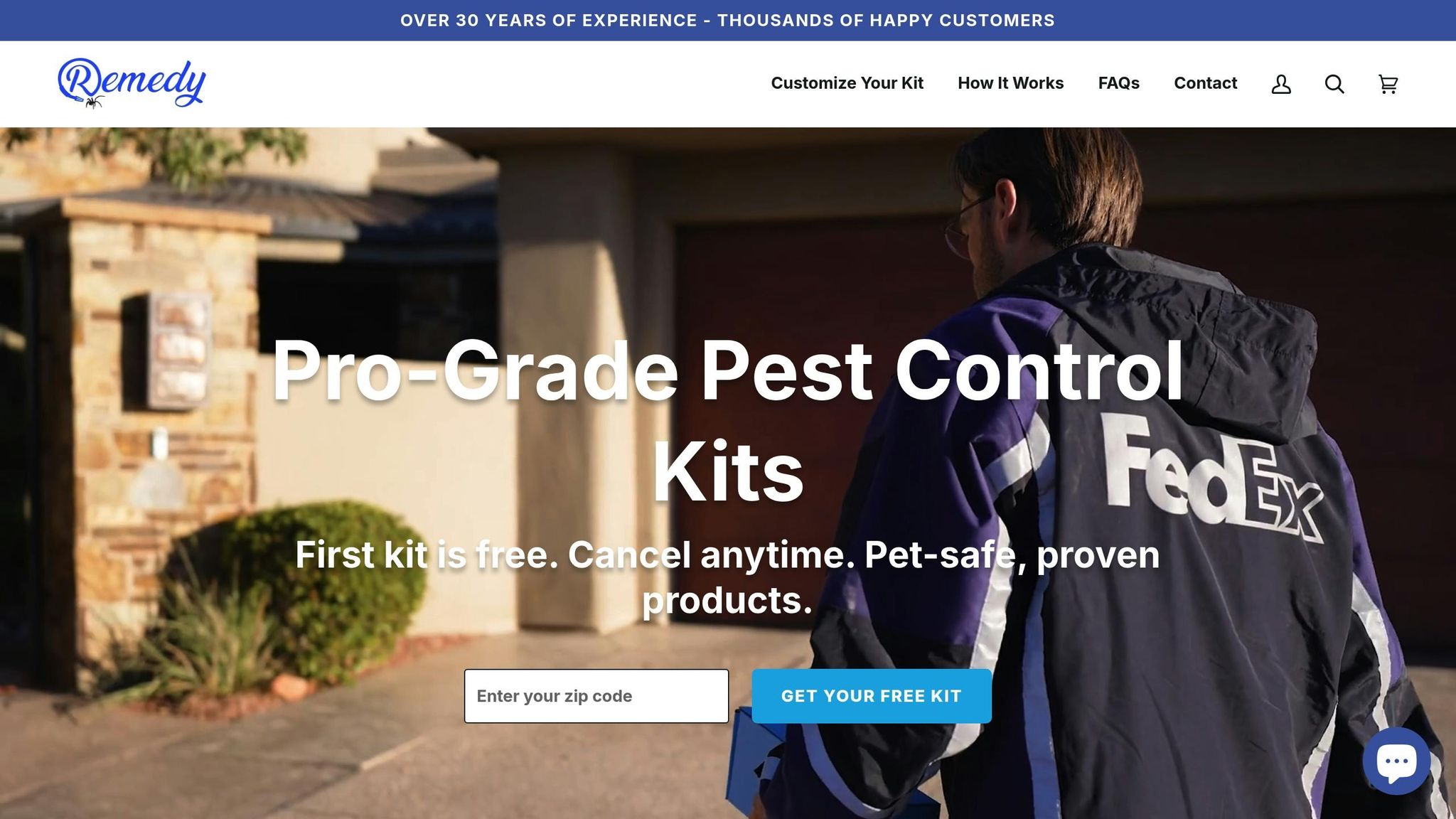
Our Remedy DIY pest control kits are specially designed to tackle pest problems in humid environments. Whether you're dealing with ants, cockroaches, spiders, scorpions, or crickets, these kits are tailored to address your specific needs.
Each kit includes EPA-approved formulas that remain effective even in high-moisture conditions. Unlike many store-bought products that fall short in humid weather, these solutions create a long-lasting barrier around your home. The kits come fully equipped with everything you need: a battery-powered sprayer, an application bag, a pesticide bottle, protective gloves, and easy-to-follow instructions.
The application process focuses on building a strong exterior defense by treating your home's foundation, doors, windows, and other entry points. Any leftover product can be used for indoor spot treatments, making the approach both thorough and versatile. These kits are also safe for pets and children once the product has dried, with clear application guidelines to ensure safety.
Here’s what some of our customers have to say:
"Very happy! It was very easy to set up and it's a very generous amount for how much I paid." – Emily
"Our ant, bug & spider problem have been out of control this summer. We've tried several products from the store with no success. This took care of it. Happy with the ease & quality of the products. Highly recommend." – Jen Y.
"The package came quickly and the set up was really easy. Plenty of product to spray my whole house. I will definitely use Remedy again!" – Elizabeth
For ongoing protection, our flexible subscription service ensures your home stays pest-free year-round, without locking you into a contract. Kits start at under $30, and new customers can grab their first kit free by using the code "FREEKIT" at checkout.
Additional Tools and Products
While Remedy kits provide a comprehensive solution, you can enhance your pest control efforts with a few supplemental tools:
- Diatomaceous Earth: This natural powder works wonders against crawling insects in humid conditions. A 4–10 lb bag costs $10–$25 and can last for months when applied to dry areas and entry points. Reapply after exposure to moisture.
- Citronella Candles: Perfect for keeping mosquitoes at bay in outdoor spaces. These candles, priced between $5 and $20 per pack, work best when placed low to the ground in areas with minimal wind. Use multiple candles around seating areas for better results.
- Beer Traps: An easy and budget-friendly way to control slugs in gardens. The beer attracts slugs, and they drown in the trap. Each trap costs just a few dollars and should be replaced every few days.
- Homemade Sprays: Simple sprays made with garlic, onion, or hot peppers can help with various insects. These solutions cost less than $5 to prepare and need to be reapplied weekly or after rain. Always use non-food utensils and wear protective gear while mixing and applying.
| Product Type | Target Pests | Price Range | Best Application | Reapplication Frequency |
|---|---|---|---|---|
| Remedy Kits | Multiple pests | Under $30/kit | Exterior barriers and spot treatment | Seasonal or as needed |
| Diatomaceous Earth | Crawling insects | $10–$25/bag | Dry areas and entry points | After moisture exposure |
| Citronella Candles | Mosquitoes | $5–$20/pack | Outdoor seating areas | Each use |
| Beer Traps | Slugs | $2–$5/trap | Garden areas | Every few days |
| Homemade Sprays | Various insects | Under $5/batch | Plants and entry points | Weekly or after rain |
Picking the Right Solution for Your Home
Once you've tackled moisture issues and sealed entry points, the next step is choosing the right pest control method. Your choice will depend on factors like the type of pests you're dealing with, your budget, safety requirements, and how much maintenance you're willing to do. Let’s break down how various DIY methods stack up in terms of effectiveness, safety, ease of use, and cost.
Comparing DIY Methods and Products
Pest control solutions come in many forms, each suited to different needs. Some are great for long-term prevention, while others provide quick fixes for urgent infestations.
Effectiveness varies widely. For instance, sealing entry points can cut pest access by up to 90% when combined with other treatments. Diatomaceous earth and Remedy kits can reduce pest populations by around 80% if applied correctly. On the other hand, natural sprays and homemade solutions typically offer a 50-70% success rate, which makes them ideal for smaller infestations or as a secondary layer of defense. However, these sprays often require weekly or post-rain reapplication.
Safety matters, especially if you have kids or pets at home. Food-grade diatomaceous earth and natural repellents like peppermint oil are among the safest options, posing almost no risk when used as directed. Remedy kits, which use EPA-approved formulas, are designed to be family-safe while maintaining a professional level of effectiveness.
Time commitment is another factor to consider. While sealing cracks and addressing moisture issues demand significant upfront effort, they offer long-term benefits. Natural sprays are quick to apply but need frequent reapplication. Remedy kits strike a middle ground - they’re easy to use, taking just minutes to apply, and include everything you need, like a battery-powered sprayer and clear instructions.
| Method | Effectiveness | Safety Level | Application Ease | Best For | Duration |
|---|---|---|---|---|---|
| Remedy Kits | Up to 80% | High | Very Easy | Multiple pests, broad protection | Weeks to months |
| Sealing Entry Points | Up to 90% (with other methods) | High | Moderate effort | Long-term prevention | Permanent if maintained |
| Diatomaceous Earth | Up to 80% | High | Easy | Crawling insects | Weeks (until wet) |
| Natural Sprays | 50-70% | High | Easy | Minor infestations, supplemental use | Hours to days |
| Moisture Control | High (preventive) | High | Moderate effort | Foundation of all pest control | Ongoing |
Cost is another factor to weigh. Natural sprays are budget-friendly, costing less than $5 per batch, but they require frequent reapplication. Diatomaceous earth, priced between $10 and $25 per bag, can last for months. Remedy kits, starting at under $30, offer a comprehensive solution that often eliminates the need for multiple products.
When choosing a method, think about your specific pest problem. If you’re dealing with multiple pests - a common challenge in humid areas - using an all-in-one solution like Remedy kits is often more practical than juggling several different products. For single-pest issues, such as slugs in your garden, targeted solutions like beer traps can be highly effective.
The best results often come from combining methods. Start with moisture control and sealing entry points to build a solid foundation. Then, layer on targeted treatments based on the pests you're dealing with. This approach not only maximizes protection but also ensures the safety of your family and pets.
Lastly, consider your maintenance style. Some people enjoy the DIY process of mixing natural sprays and regularly checking traps. Others prefer low-maintenance, professional-grade solutions that work for weeks or months with minimal effort. The right choice depends on your lifestyle and pest control needs - there’s no one-size-fits-all solution.
Conclusion: Keeping Pests Away in Humid Climates
Controlling pests in humid climates boils down to a three-part strategy: tackling breeding grounds, blocking entry points, and using targeted treatments. The first step is managing moisture, as standing water creates the perfect environment for pests like mosquitoes to breed. Reducing excess moisture disrupts this cycle right at the source.
Next, focus on sealing entry points. Simple fixes like installing door sweeps and repairing torn screens create a long-lasting barrier that keeps pests out. Unlike sprays or traps, these measures don’t need constant reapplication, making them a cost-effective and practical solution over time.
The final step involves using safe and effective pest control methods. Natural options, such as diatomaceous earth or essential oil sprays, are great for households with kids or pets. For those who prefer ready-to-use solutions, customized pest control kits are available. These kits, priced under $30, feature EPA-approved, family-safe products designed for specific pests and humid conditions. Acting quickly with these targeted solutions can save you from bigger problems later.
Regular inspections are also essential. In warm, damp climates, even a small pest presence - like a few ants - can rapidly grow into a much larger issue if left unchecked. Spotting and addressing problems early prevents costly infestations down the line.
Ultimately, the best results come from combining strategies. Integrated pest management, which includes moisture control, sealing entry points, and targeted treatments, has proven to be the most effective approach. Not only does it minimize pest problems, but it also protects your family, pets, and the environment while preserving beneficial insects, as supported by recent case studies.
FAQs
What are the best DIY pest control methods for humid climates?
For homes in humid areas, keeping pests at bay means tackling moisture-loving invaders like mosquitoes, ants, and cockroaches with the right tools. Remedy's customized pest control kits provide an excellent solution. These kits include professional-grade products that are safe for both pets and kids, making them easy and worry-free to use. Plus, they're specifically designed to address the pest challenges unique to your location.
Each kit comes with straightforward application instructions and access to ongoing support, so you can confidently protect your home throughout the year. With regular shipments, maintaining a solid defense against pests becomes effortless, ensuring your home stays pest-free even in the most humid conditions.
Why is managing indoor humidity important for keeping pests away?
Controlling indoor humidity is a key step in keeping pests like cockroaches, silverfish, and dust mites at bay. These critters thrive in damp spaces, as high humidity provides the moisture they need to survive and multiply - essentially turning your home into an ideal breeding ground.
To make your space less inviting, aim to keep humidity levels below 50%. You can achieve this by using dehumidifiers, ensuring proper ventilation, and promptly repairing any leaks. Not only does this discourage pests, but it also helps prevent mold growth and enhances the quality of your indoor air.
What are some natural ingredients for DIY pest control sprays, and do they really work?
Natural options like vinegar, essential oils (including peppermint, tea tree, or eucalyptus), and citrus peels are popular choices for DIY pest control sprays. Their strong scents and acidic nature can help deter pests like ants, spiders, and mosquitoes.
While these remedies can work well for smaller pest problems, they often fall short when dealing with major infestations or providing lasting protection. If you live in a humid environment or face persistent pest issues, professional-grade solutions designed for your specific situation might be a better choice.